Plenary, Keynote and Tutorial Speakers
Plenary, Tutorial and Keynote Speakers
Plenary Speakers
Burn J. Lin
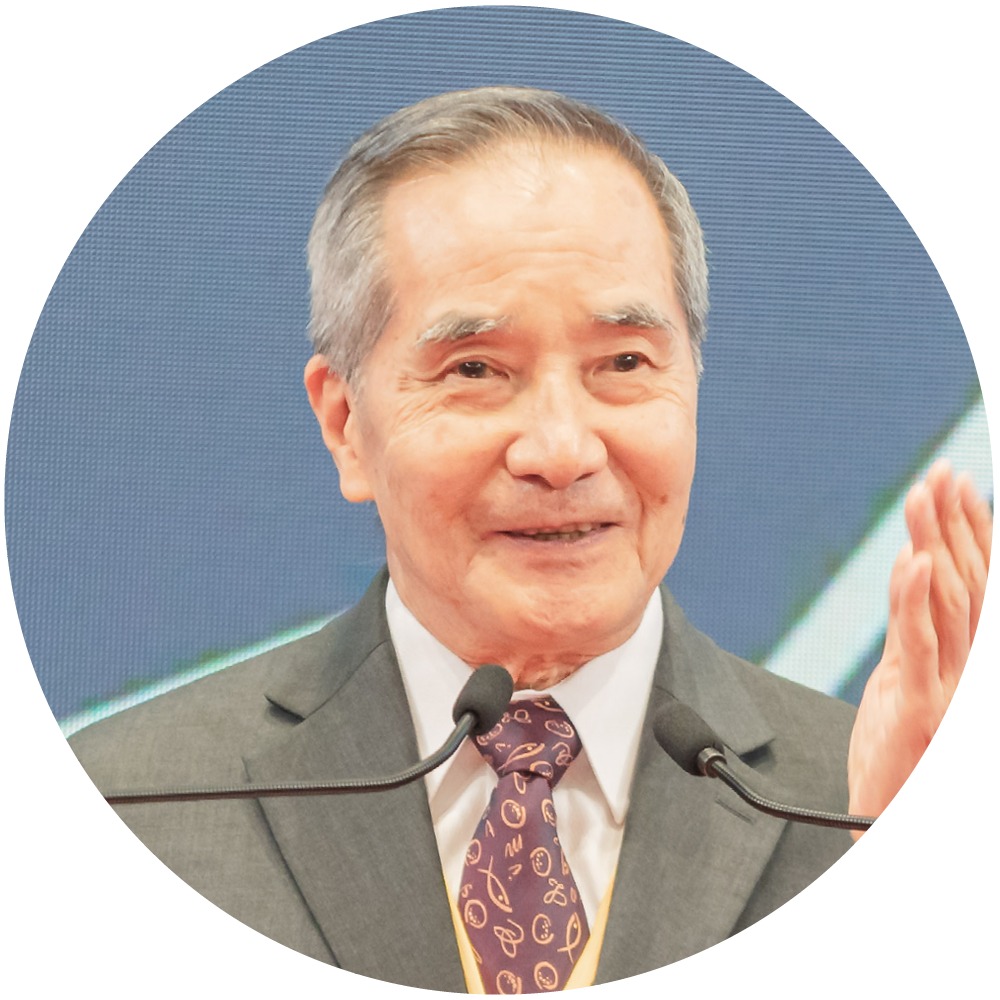
Plenary: Improving IC A Million Times with Optical Lithography
The minimum feature size of Integrated Circuits has been reduced from 5 micrometers to 5 nanometers in 21 steps over almost half of a century. The feature size has been reduced from wavelengths to 1/27th of a wavelength. This talk highlights the techniques used to achieve this tremendous achievement.
About the Speaker
Dr. Lin received his PhD from Ohio State University and currently serves as the Distinguished Professor and Dean of NTHU College of Semiconductor Research. He consecutively worked at IBM T.J. Watson Research Center, Linnovation and TSMC as Department Manager, President and VP in Research, respectively. Dr. Lin is a member of the US Academy of Engineering, Academician of Academia Sinica, ITRI Laureate, Distinguished Alumni of National Taiwan University and OSU, IEEE and SPIE Fellows. Dr. Lin is a recipient of various awards, including the Innovation Award from the President of Taiwan ROC, Future-Science Prize on Mathematics and Computer Science, IEEE Nishizawa Medal, IEEE Brunetti Award, OSU Benjamin-Lamme Medal, two TSMC Innovation and Customer-Partnership Awards, SPIE Zernike Award (first recipient), Ten IBM Invention Plateaus and IBM Outstanding-Technical-Contribution Award.
Jianwei Miao
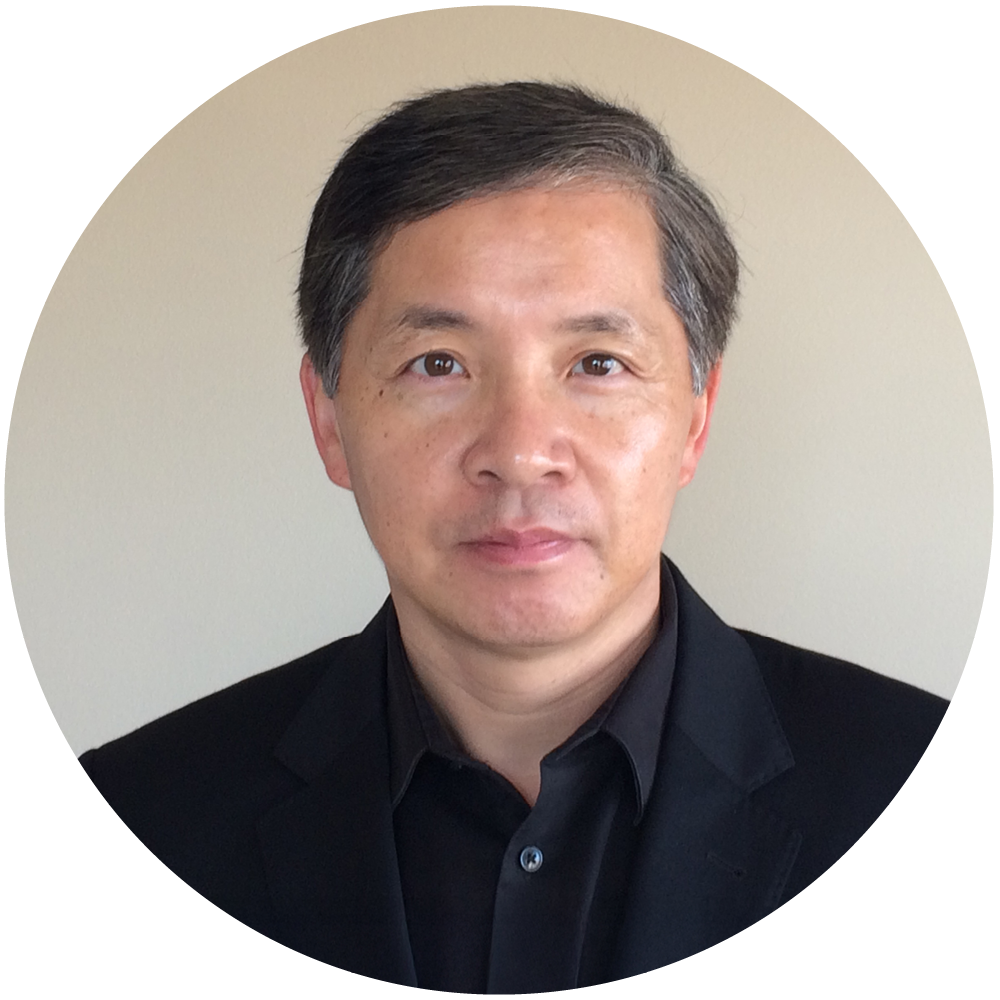
Plenary: Computational Microscopy with Coherent Diffractive Imaging and Ptychography
Computational microscopy based on coherent diffractive imaging and ptychography unifies microscopy and crystallography by replacing lenses with diffraction and algorithms, enabling imaging across nine orders of magnitude in length scale, from sub-angstrom atomic structures to centimeter-scale tissues.
About the Speaker
Jianwei (John) Miao is Professor of Physics and Astronomy at UCLA. He pioneered computational microscopy by unifying crystallography with microscopy using coherent diffraction and algorithms, replacing lenses with computation. In 1999, he achieved the first experimental coherent diffractive imaging, laying the foundation for modern ptychography and transforming nanoscale and atomic-scale imaging across synchrotrons, XFELs, HHG, optical microscopy and electron microscopy. Building on this foundation, he pioneered atomic electron tomography (AET) in 2012 for 3D atomic imaging without crystallinity and in 2021 reported the first 3D atomic structure of an amorphous solid. He recently advanced ptychographic AET to image individual light atoms in 3D with picometer precision. His honors include the Werner Meyer-Ilse Memorial Award, Sloan Fellowship, Innovation in Materials Characterization Award, Joseph F. Keithley Award for Advances in Measurement Science and election as APS and MRS Fellow.
Keynote Speakers
David Brady
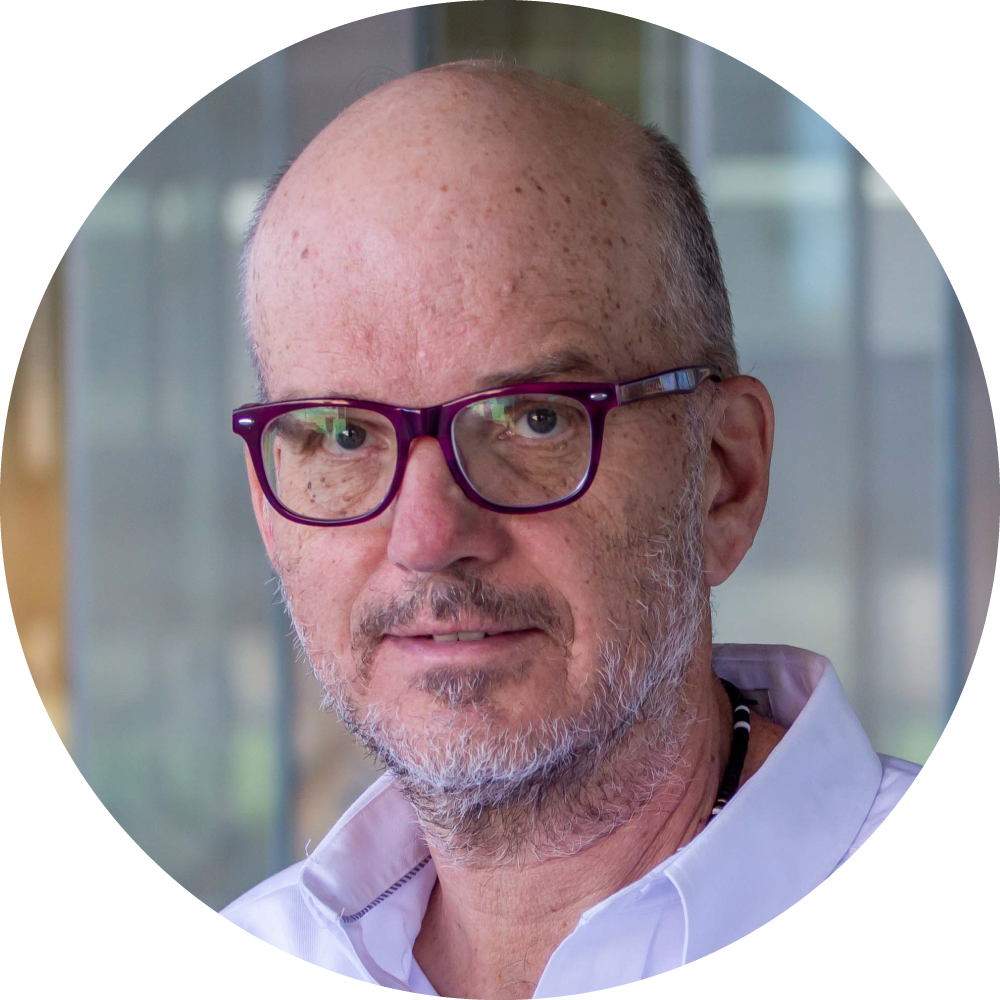
Keynote: Phase Retrieval and 3D Imaging Using Array Cameras
Incoherent array cameras enable gigapixel and all-in-focus imaging. Coherent arrays enable even greater opportunities for ptychographic phase retrieval, aperture synthesis, and 3D imaging. We review recent demonstrations and design strategies for coherent array systems.
About the Speaker
David J. Brady is the J. W. and H. M. Goodman Endowed Professor in the Wyant College of Optical Sciences at the University of Arizona, where he leads the camera lab, and the Michael Fitzpatrick Professor Emeritus of Photonics at Duke University. He is the author of 'Computational Optical Imaging,' which was recently released by SPIE Press. He was awarded the Optica Emmett N. Leith medal in 2023 and the SPIE Denis Gabor Prize in 2013 for his work on compressive holography. He developed numerous array cameras for 3D and high-resolution imaging, including the q360 camera used for real-time radiance field broadcasting, the AWARE cameras for gigapixel video and snapshot ptychographic wavefront cameras. He earned his Ph.D. for studies in holographic neural processing from Caltech and was previously on the faculty of the University of Illinois.
Bahram Javidi
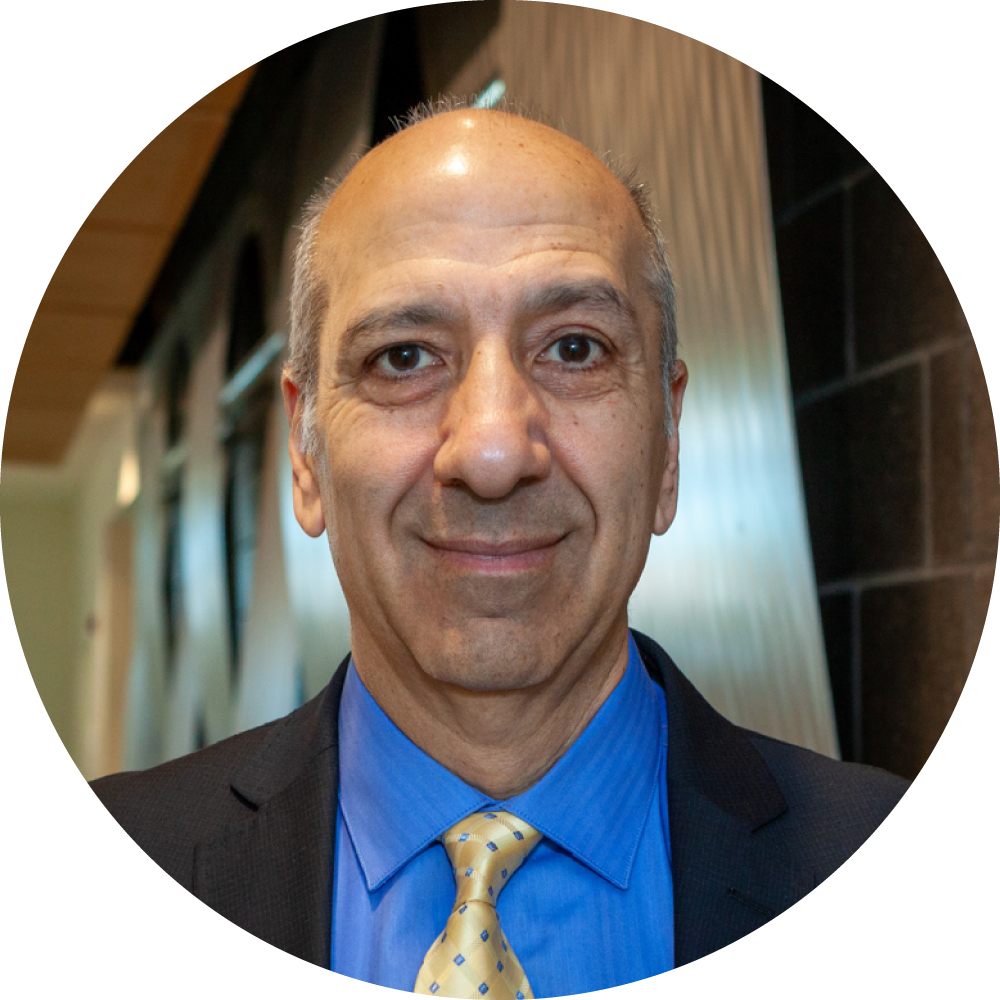
Keynote: Underwater Optical Sensing and Imaging in Turbidity using Multi-dimensional Integral Imaging and Deep Learning
This keynote address presents an overview of recently reported advances in underwater optical sensing and imaging in turbidity using multi-dimensional integral imaging and deep learning.
About the Speaker
Prof. Bahram Javidi is Board of Trustees Distinguished Professor and SNET Endowed Chair at University of Connecticut. His interests are in a broad range of transformative imaging approaches using optics and photonics, and he has made seminal contributions to passive and active multi-dimensional imaging from nano to micro and macro scales. His research activities include digital holography, polarimetric 3D imaging at low light, 3D visualization and recognition of objects in photon-starved environments; automated disease identification using biophotonics with compact digital holographic sensors for use in developing countries; and optical information security. Prof. Javidi’s research has been recognized by awards and prizes from major scientific societies, including The Optica Emmett Leith medal (2021), Optica C. E. K. Mees Medal (2019); IEEE Photonics Society William Streifer Scientific Achievement Award (2019); The Optica Joseph Fraunhofer Award (2018); and the European Physical Society (EPS) Prize for Applied Aspects of Quantum Electronics and Optics (2015).
Tom Liang
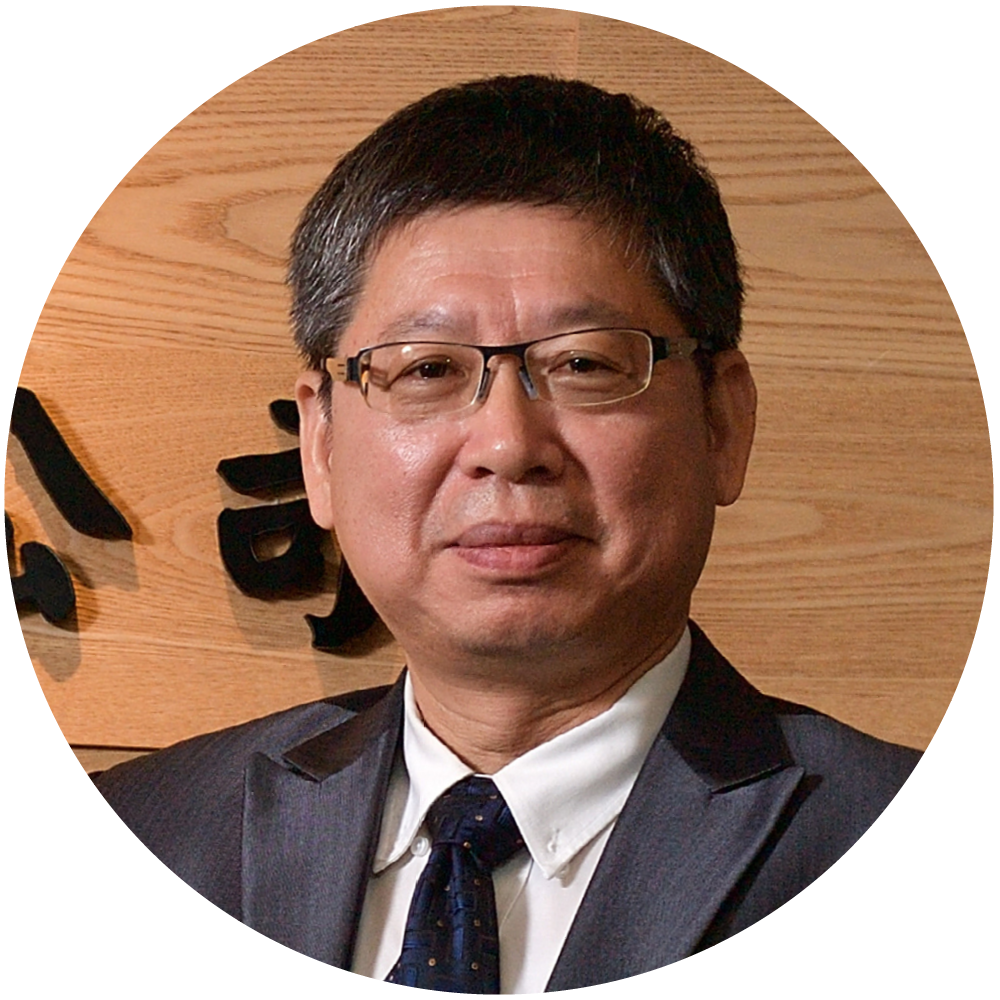
Keynote: The Development Trend of AR Glasses, What Key Transformative Technologies Are Driving This Evolution?
The AI+AR symbiosis drives spatial computing, transitioning digital intelligence from the cloud into reality. This integration empowers workers with real time environmental perception, establishing advanced AR glasses and platforms as mainstream tools for industrial productivity.
About the Speaker
Mr. Tom Liang is the Founder and Chairman of JORJIN Technologies Inc. Since establishing the company in 1997, Chairman Liang has leveraged his keen insight into technological trends to transform JORJIN from a leader in wireless communication modules into a global pioneer of XR wearable innovation. With nearly three decades of expertise in the ICT industry, Chairman Liang core value proposition focuses on utilizing Wireless Communications and System-in-Package (SiP) modules as a foundation to integrate multi-disciplinary technologies: optics, Microstructure, electronics and acoustics. Under his visionary leadership, JORJIN has developed advanced "intelligence-enabling" AR/VR and XR wearable devices, alongside highly intuitive Human-Computer Interaction (HCI) interfaces. Chairman Liang is currently spearheading the development of the XR Metaspace ai Smart Spatial Platform, realizing the immersive vision of "What You See Is What You Get and Being Online Is Being Present." By blurring the lines between the physical and digital realms, he provides enterprises with the tools to build formidable digital competitiveness. Beyond technical excellence, Chairman Liang is a staunch advocate for ESG sustainability, integrating environmental and social governance into the corporate DNA to create a high-efficiency, low-carbon and technologically resilient future.
Wolfgang Osten

Keynote: Tribute to Jim Trolinger - Scientist, Holographer, Artist, Collector, WWT, and Friend
With deep sadness we had to learn about the passing of Dr. James D. Trolinger, on 26th November 2025, - a brilliant optical physicist, holographer, artist, and collector. With this paper we try to acknowledge his immense talents and his important contributions to our common field of Holography. But above all, our concern is to honor the person and friend who embodied the true spirit of a Holo-Knight.
About the Speaker
Wolfgang Osten received the MSc/Diploma in Physics from the Friedrich-Schiller-University Jena in 1979 and the PhD degree from the Martin-Luther-University Halle-Wittenberg for his thesis in the field of holographic interferometry. From September 2002 until October 2018 he was a full professor at the University of Stuttgart and director of the Institute for Applied Optics. His research work is focused on new concepts for industrial inspection and metrology by combining modern principles of optical metrology, sensor technology and digital image processing. Special attention is directed to the development of resolution enhanced technologies for the investigation of micro and nano structures. Wolfgang Osten is fellow of Optica, SPIE, EOS, SEM and senior member of IEEE.
Chi-Kuang Sun
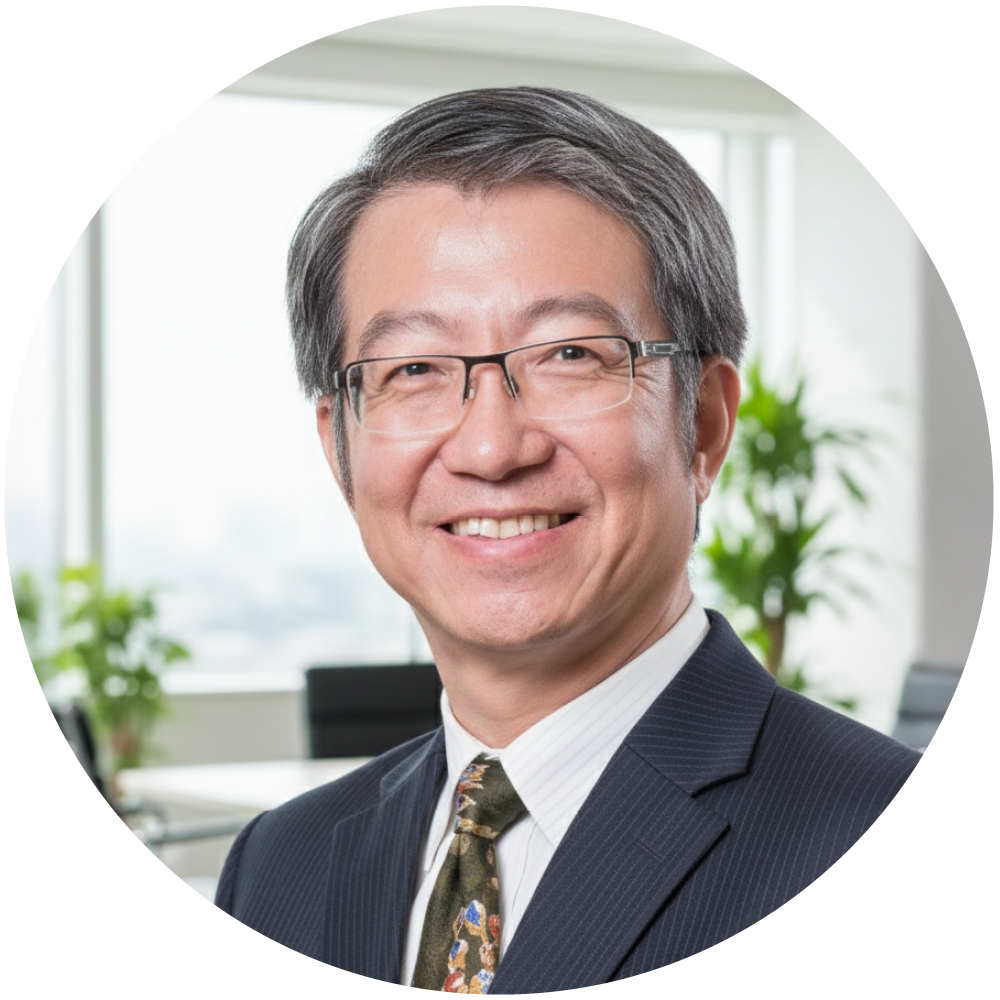
Keynote: Discontinuity THG Microscopy for Label-free 3D Imaging and Diagnosis of Intraepidermal Nerve Fibers
We present discontinuity third-harmonic-generation microscopy enabling three-dimensional visualization of intraepidermal nerve fiber endings. This label-free, section-free approach provides a noninvasive tool for diagnosing small-fiber neuropathy, including diabetic peripheral neuropathy.
About the Speaker
Chi-Kuang Sun is Garmin Distinguished Professor at National Taiwan University (NTU). He received his SB in EE from NTU in 1987 and PhD in Applied Physics from Harvard University in 1995. He founded NTU Molecular Imaging Center and mesoView Ltd. He served Deputy Dean of NTU EECS College, Chairman of the Photonics Program, Taiwan Ministry of Science and Technology,and President of Taiwan Photonics Society. He is a fellow of IEEE, OPTICA, and SPIE. Chi-Kuang Sun’s research involves nonlinear microscopy, ultrafast phenomena, nano-ultrasonics, THz health care, advanced femtosecond laser technologies, and applications in rapid pathology diagnosis, brain and neural science. He leads the advancement of transformative third harmonic generation microscopy for various clinical applications.
Din Ping Tsai
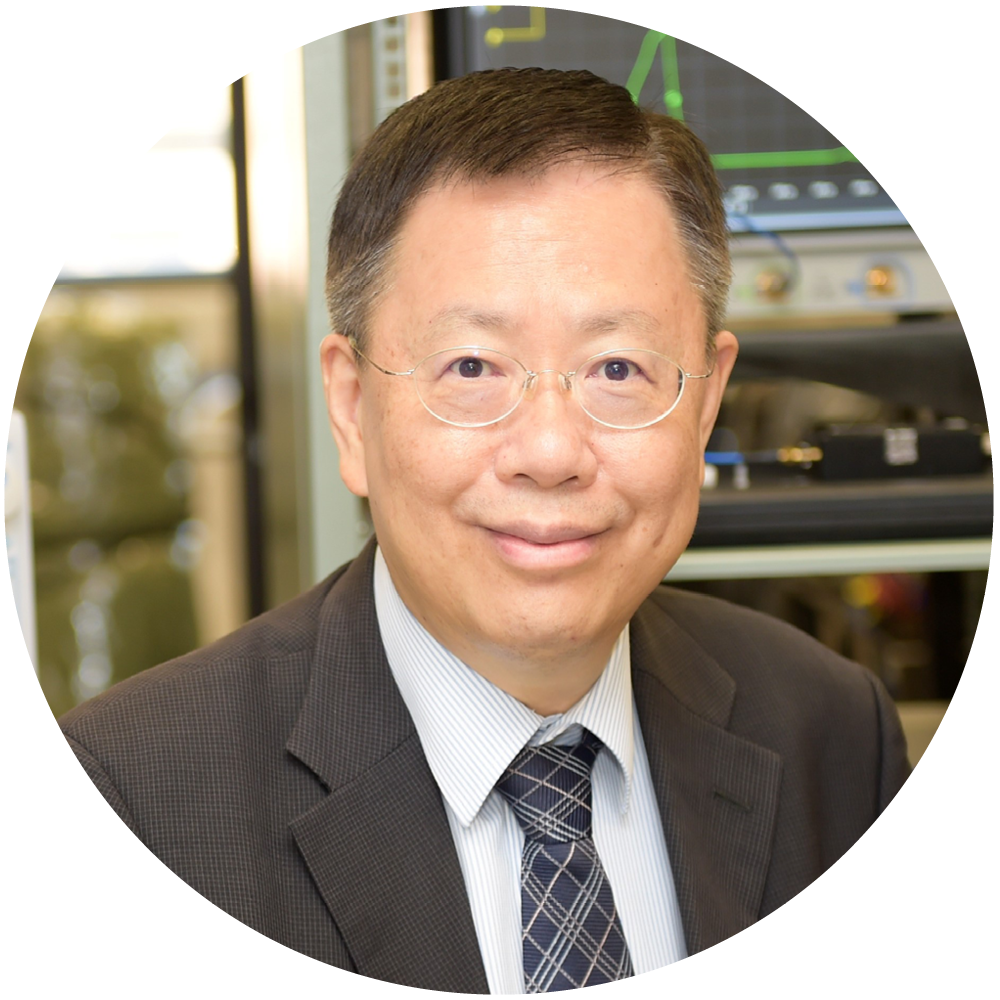
Keynote: Meta Photonics: From Classical to Quantum
Meta-devices enable mass-production of nano-antenna via semiconductor microelectronics, controlling the phase, polarization, and amplitude of electromagnetic waves. This talk highlights optical meta-devices’ design, fabrication, and applications in imaging, sensing, 6G, and quantum light source, etc.
About the Speaker
Din Ping Tsai is currently the Chair Professor of the Department of Electrical Engineering, City University of Hong Kong. He is an elected Fellow of AAAS, APS, COS, EMA, IEEE, JSAP, Optica, SPIE, PST and AAIA. He is also an elected Member of the Hong Kong Academy of Engineering (HKAE), National Academy of Inventors (NAI) of USA, International Academy of Engineering (IAE) and Academician of the Asia-Pacific Academy of Materials (APAM). He has delivered over 365 invited talks for international conferences with 32 plenary and 69 keynotes. He is a recipient of more than 40 prestigious recognitions and awards including China’s Top 10 Metamaterial Breakthroughs Award in 2025, 2024 Frontiers of Science Award, China’s Top 10 Optical Breakthroughs Award in 2020 and 2018 respectively, “Global Highly Cited Researchers” by Web of Science Group (Clarivate Analytics) in 2020 and 2019 respectively, “Mozi Award” from the International Society of Optical Engineering (SPIE) in 2018 and more.
Tutorial Speakers
Daniel Razansky
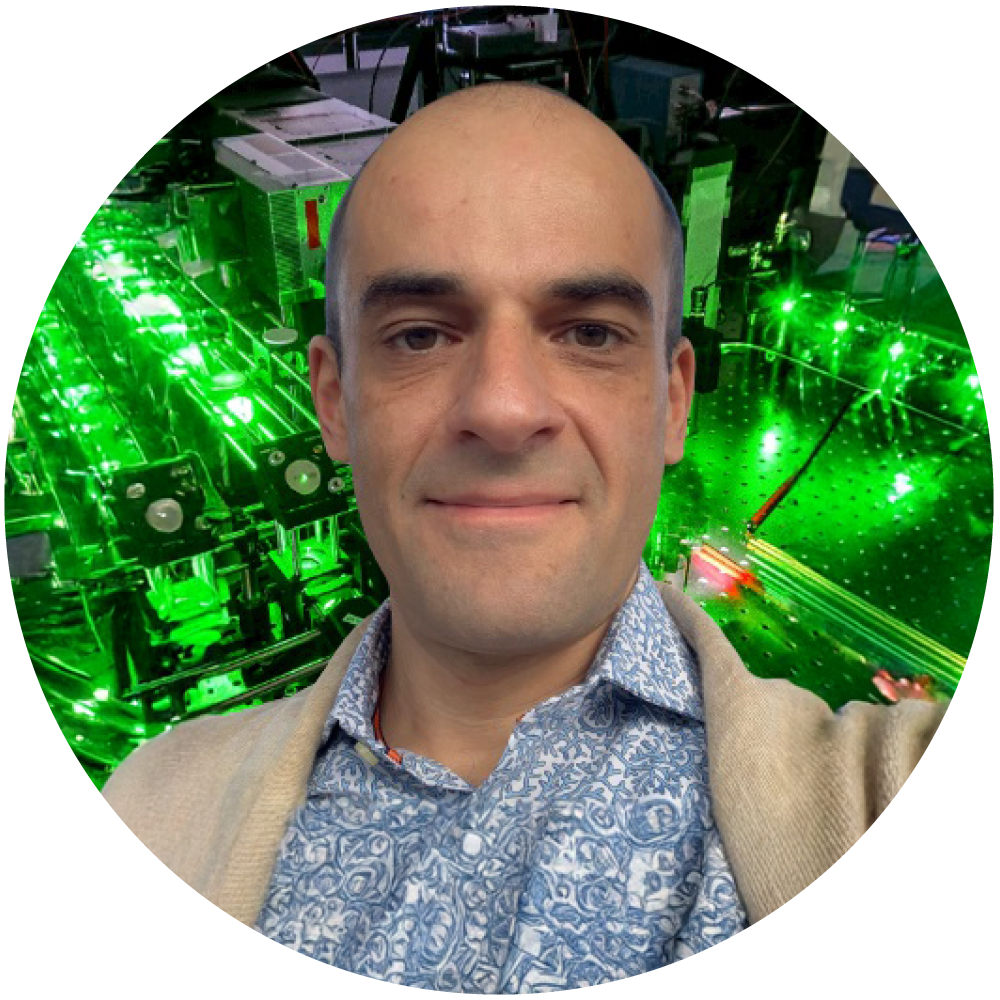
Tutorial: Optoacoustics Goes Multimodal - Methods and Systems
The talk covers most recent advances pertaining to the multi-modal combinations of optoacoustics with therapeutic and diagnostic ultrasound, optical microscopy, magnetic resonance imaging and more.
About the Speaker
Daniel Razansky is Full Professor of Biomedical Imaging with double appointments at the Faculty of Medicine, University of Zurich and Department of Information Technologies and Electrical Engineering, ETH Zurich. His Lab pioneered several technologies for preclinical research and clinical diagnostics, among them the multi-spectral optoacoustic tomography, optoacoustic ultrasound, magnetic resonance optoacoustic tomography, localization-based fluorescence and optoacoustic imaging.
