World Quantum Day 2026

For World Quantum Day, learn how Optica advances the quantum field, the latest developments in quantum, upcoming events and more.
Quantum science and technology are at the forefront of today's discoveries. Quantum computing for cryptography and drug discovery, deep space communication, quantum key distribution and more emerging applications have the potential to revolutionize technological development.
Find out how Optica supports the quantum field through research, recognizing excellence and bringing together experts worldwide to discuss the future of the field.
Optica Quantum 2.0 Conference and Exhibition


One of the most exciting developments in quantum right now is that quantum networking is addressing real-world applications in deployable infrastructure.

Recycling Quantum Dots

Optica Quantum Industry Summit 2026

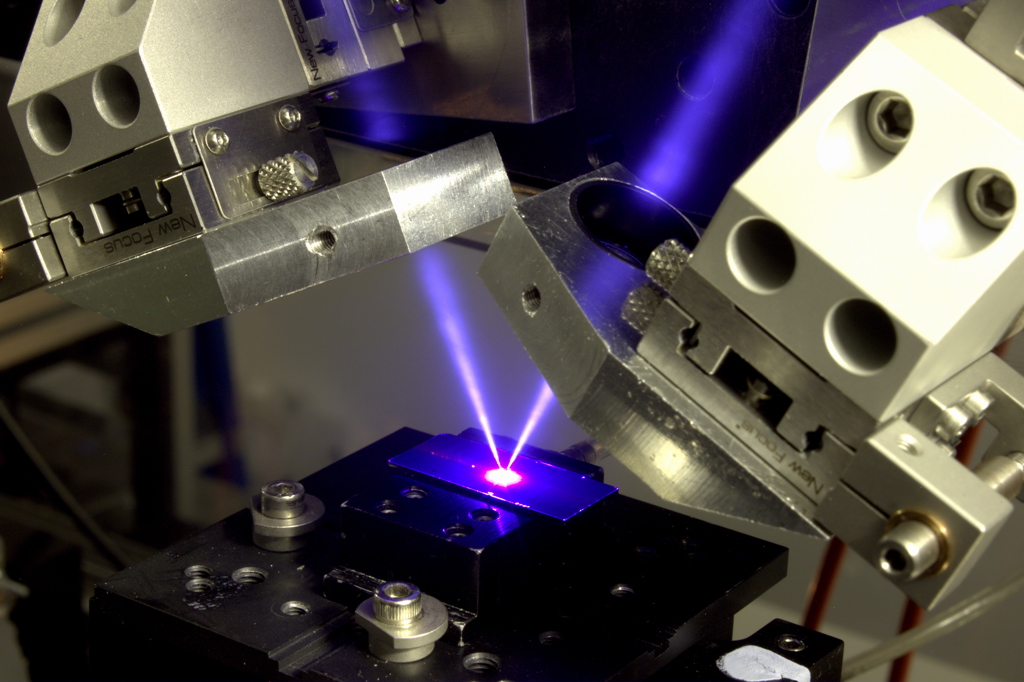
Beams of UV light

Putting Quantum in the Spotlight

Publish in Optica Quantum
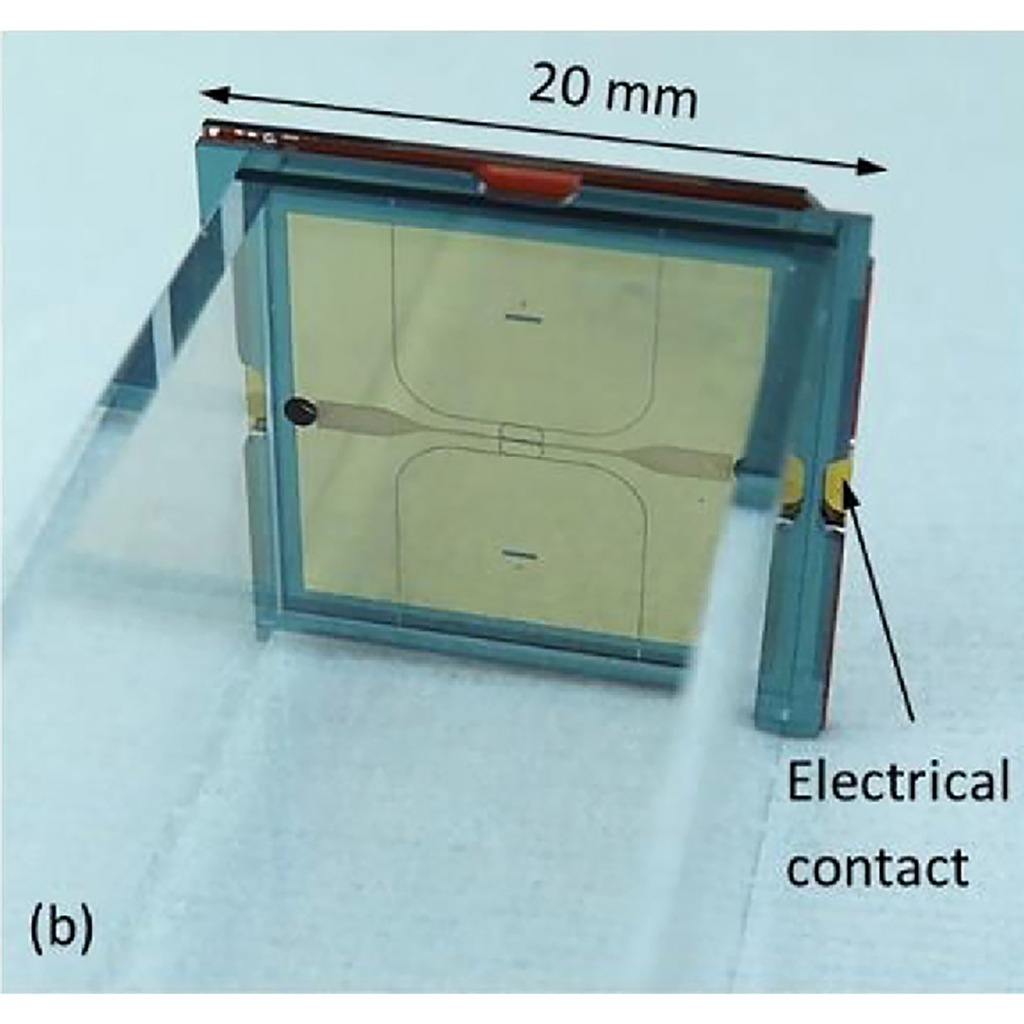
An advance toward quantum sensor manufacturing scalability.

This breakthrough enables us to effectively ‘wire together’ distinct quantum processors into a single, fully connected quantum computer.
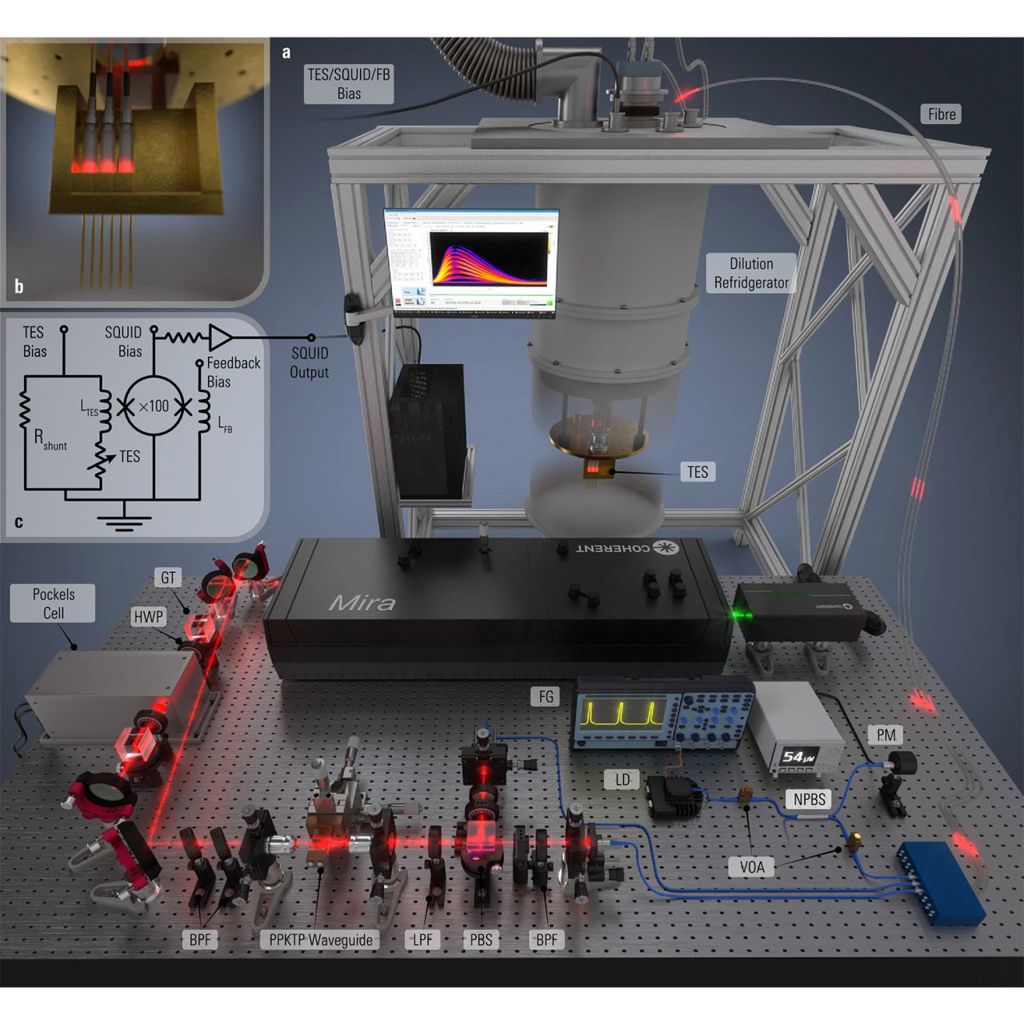
Boosting photon-number-resolved detection rates of transition-edge sensors by machine learning.
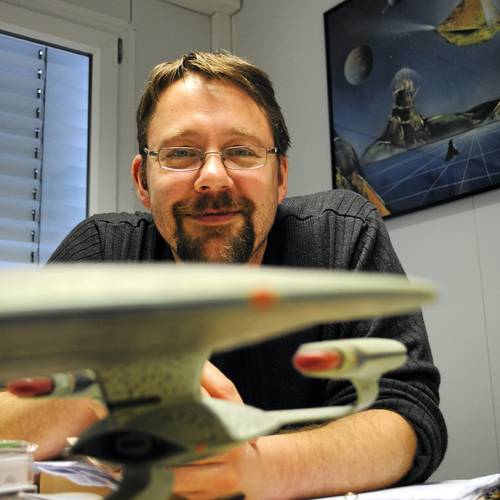
We use light to calculate things, we use light to compute things, we use light to simulate things like electrons in a solid and elementary particles and free space, things that are hard to do in a true experiment.
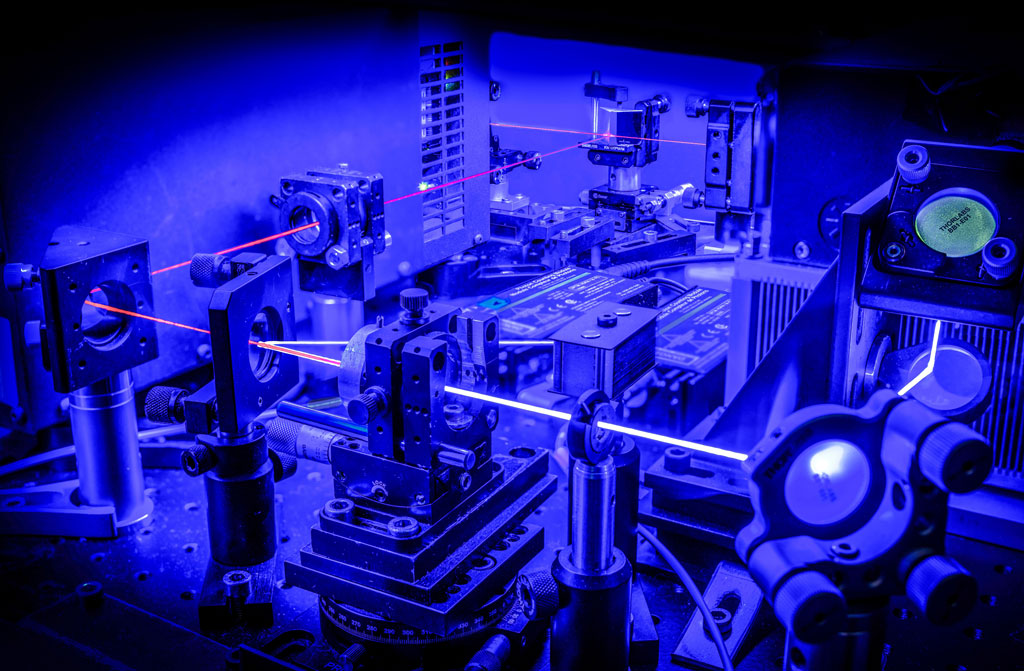
Spontaneous parametric down-conversion.

